Nobody told me I was starting a business
When I first entered the adult industry, I thought I was just making hot content and making a little bit of money on the side of my day job: that’s all I really ever wanted.
Instead, I discovered sales, marketing, branding, customer service, risk management, crisis communications, bookkeeping, contract negotiation, community organizing, and a dozen other skills nobody warned me about.
The thing about this industry is that customers and the general public only see the performance, and rarely the business behind it.
I’ve now spent more than a decade working in a number of industry roles (cam girl, escort, text chat operator, Dominatrix), and non-industry roles (educator, consultant, and entrepreneur), building nonprofit organizations, Limited Liability Companies (LLCs), sole proprietorships, and plenty of informal projects. I’ve come to realize that many of us enter this work because we're good at our craft, but almost none of us are taught how to build a sustainable business around it.
So let's start with the obligatory disclaimer: this is not tax advice, legal advice, or financial advice. There are other professionals for that. This is simply what I've learned through experience, mistakes, and conversations with countless other workers trying to make this industry work for them.
Structure matters
The adult industry is more diverse now than it has ever been. Whether you're a Dominatrix, escort, stripper, phone sex operator, cam model, content creator, fetish performer, professional cuddler, or something that didn't even exist five years ago, you're operating in an ecosystem that is more accessible than ever before. Simultaneously, it’s more heavily scrutinized than it’s ever been.
That means the decisions we make about our businesses matter. Over a decade of sex work, I’ve had to consider things such as:
Safety and security: how public do I want my legal information to be? How searchable do I become? What technology do I have access to that will help protect my safety?
Personal liability: how much do I want to be held responsible for the outcomes of my work, should anything go wrong?
Tax liability: how much do I want to pay in taxes as an individual? For example, if my income is above a certain level as an LLC, then scaling my business could mean long-term tax benefits if I’m reducing self-employment tax.
Scalability: how much, and how often, do I want to work without a team, doing all of the components it takes to run a business? What is my own time and energy worth, and how can I best streamline?
These are the things that mattered most to me when ultimately deciding to put my work into an LLC. I made this choice because LLCs rank very high in safety and security, and low on personal liability (which is good, especially as a BDSM practitioner). The LLC model allows me to do work under a legal name that is not my own government name, using an entity that is incorporated in a state with good privacy laws (such as Delaware or Wyoming), and allows me to hire people as 1099 contractors to help me do my work better.
The name of the game is diversification
Everyone I know in the adult industry understands that sex work does not generate easy money: it's a hustle.
Most successful people I know have multiple income streams. They might see clients, create content, teach workshops, sell clips, offer mentorship, receive tributes, perform, consult, or earn affiliate income. Diversification isn't just about making more money—it's about surviving the inevitable ups and downs of platforms, algorithms, policy changes, and life. I’ve found this most useful as I create a funnel for income: the online content draws people to book me privately; the workshops I host draw in potential consulting clients; and writing for outlets like Tryst.link keep me relevant and visible. All these tactics feed and complement each other, creating one whole business. I do not do just one thing, because that’s not how the money works, often.
Another thing I’ve learned is that content itself can be your marketing tool, but marketing does need to be done. People do not know that a thing exists just by nature of it existing: people have to be told the thing exists, and have to be told multiple times. Creating something beautiful doesn't automatically mean anyone will find it. Learning how to communicate your value, attract the right audience, nurture relationships, and build trust is what keeps many businesses alive, adult industry or no. Your niche isn't something to apologize for; it's usually your greatest strength.
I've also learned that people often aren't buying the product itself. They're buying the relationship. Fans return because they feel seen. Clients return because they trust you. Customers invest in creators whose personalities make them feel connected. In adult work, relationships are often the product, not the video you sell.
My work needs systems
Many of us begin alone; I certainly did. And doing things alone meant I screwed a lot of things up really early, and worked inefficiently, feeling bogged down by “all the things.”
Eventually, once things were going well, I needed systems to help me streamline the admin and marketing work, which was taking up too much of my “on” time. I hired a bookkeeper and a tax professional. I created a newsletter that integrates into my website. I made resource guides. All of this helps me do the actual work of relationship-building more easily.
The goal isn't to become a corporation, but to create enough structure that my business doesn't fall apart every time I get sick, take a vacation, or decide to grow.
The industry didn’t protect me
Adult work comes with risks that many other entrepreneurs never have to consider.
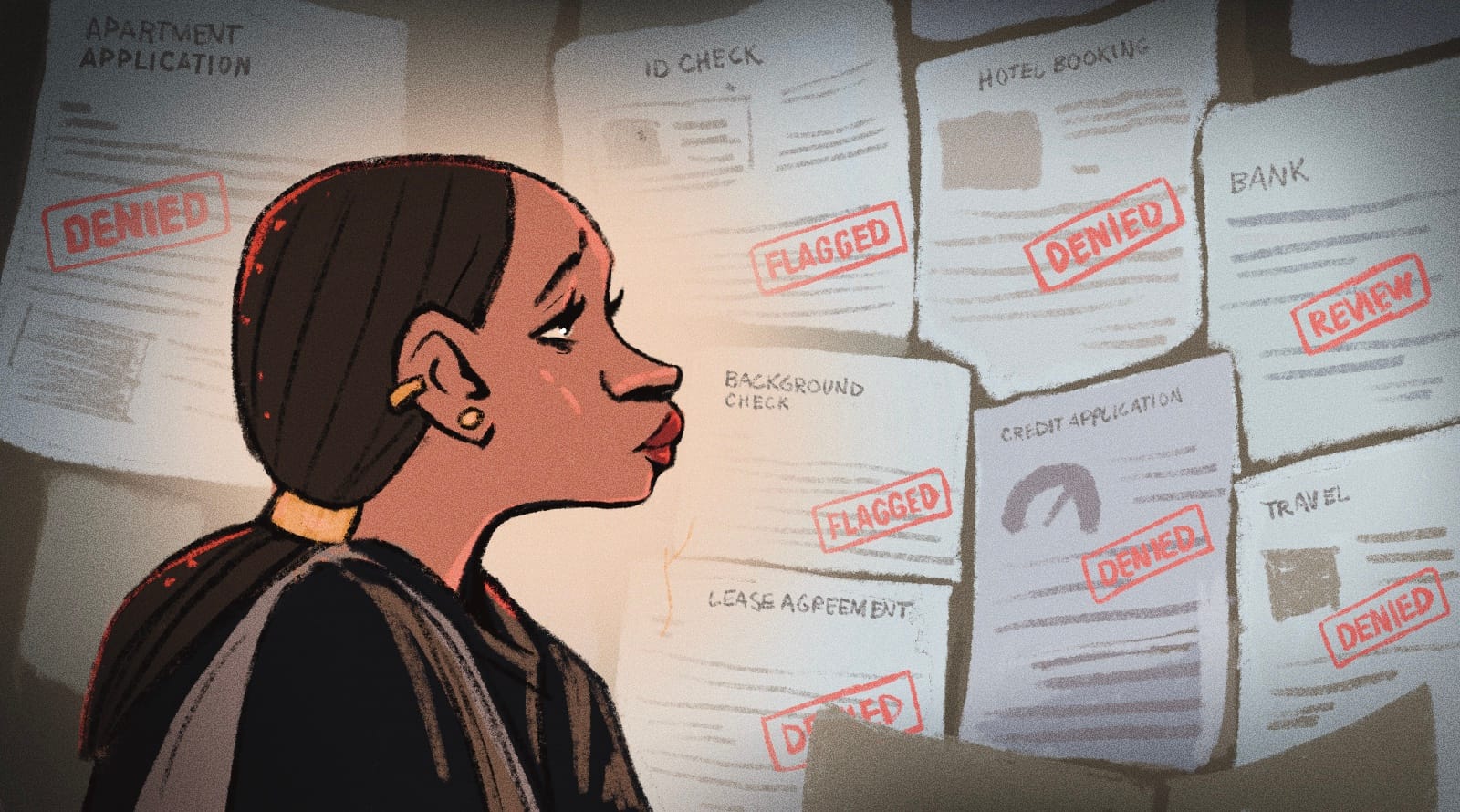
Banking discrimination is real. Chargebacks happen on legitimate transactions. Platforms disappear and take our content without recourse. Payment processors change their policies overnight, making it impossible to keep up with best practices. Age verification laws affect our ability to make income when customers are reticent to upload their identification.
Privacy can be incredibly difficult to maintain. Once something exists online, you have to assume it may circulate beyond your control. That's not meant to scare anyone—it's simply reality.
In my coaching practice, I encourage my mentees not to build their entire livelihood on a single platform. Social media sites and subscription platforms are useful, but we don't own them! They can suspend accounts, change algorithms, or alter their terms of service without asking our permission; they are sharecroppers. Whenever possible, I recommend building something you actually own: an email list, a personal website, or infrastructure that isn't dependent on someone else's business decisions.
Community is a business asset
One thing I underestimated early in my career was how important community would become. Relationships with other workers have protected me more than almost anything else.
Community is where I've found referrals, collaborators, mentors, legal resources, safety information, and friends who understood challenges that people outside the industry couldn't. We are each others’ most valuable resource, and that has always been true for stigmatized groups of people.
Your reputation matters, because again, the relationships are the product, and they’re also the integrity of the business. The way you treat other workers matters. The relationships you build today often become opportunities years later.
The skills are transferrable
Perhaps my favorite misconception to challenge is the idea that adult work isn't "real work." Aside from doing adult-only activities, the other skills around the job are extremely and externally useful.
For example, in a non-SW job I've been able to facilitate organizational change with nonprofit organizations because I first learned how to read people really well through being a sex worker.
Another example: doing burlesque and being in community with drag queens has taught me how to do good marketing and how social media works, bolstering my performance of my day job duties.
Communications, sales, marketing, public speaking: the skills absolutely transfer! These aren't side effects of the work. They are the work.
Serve your future
The adult industry is still deeply shaped by stigma, discrimination, censorship, and criminalization. Many of us will experience barriers that entrepreneurs in other industries simply won't. We may be treated like second class citizens, regardless of what services we actually provide. Banks, landlords, payment processors, and social media companies may all make assumptions about us. That reality means our business structures should be intentional.
I'm a fan of LLCs for many businesses because they create flexibility and are often the right vehicle for growth, especially if you're collaborating with other people or hosting in-person experiences. They're not magic, and they're not right for everyone, but thinking about my business as something worth protecting was an important mindset shift for me.
Ultimately, I want more adult workers to see themselves not just as creators or providers, but as entrepreneurs. Our work deserves thoughtful systems and our businesses deserve longevity. Sex workers deserve the opportunity to build something that supports the lives we actually want—not just the next month's bills.
No one gets everything right the first time. I certainly didn't. But if we can approach this work with curiosity, community, and a willingness to keep learning, we stand a much better chance of building businesses that last.
The information in this article is general information and opinion only. It is not financial, investment, tax or legal advice, and it is not a recommendation to buy, sell or hold any asset. Nothing here takes account of your personal circumstances. Laws vary significantly by country and jurisdiction. If your work or financial activities may carry legal risk where you are, do your own checks, consult a legal professional if it's safe for you to do so, and always move in ways that protect you. To the extent permitted by law, we accept no responsibility for any loss arising from reliance on this article.
To read more from the Tryst Blog about the business side of sex work, see Empowerment and Independence: Financial Freedom in Sex Work and Make it Rain Without Making Yourself Cry.
Are you a sex worker with a story, opinion, news, or tips to share? We'd love to hear from you!
We started the tryst.link sex worker blog to help amplify those who aren't handed the mic and bring attention to the issues ya'll care about the most. Got a tale to tell? 👇☂️✨