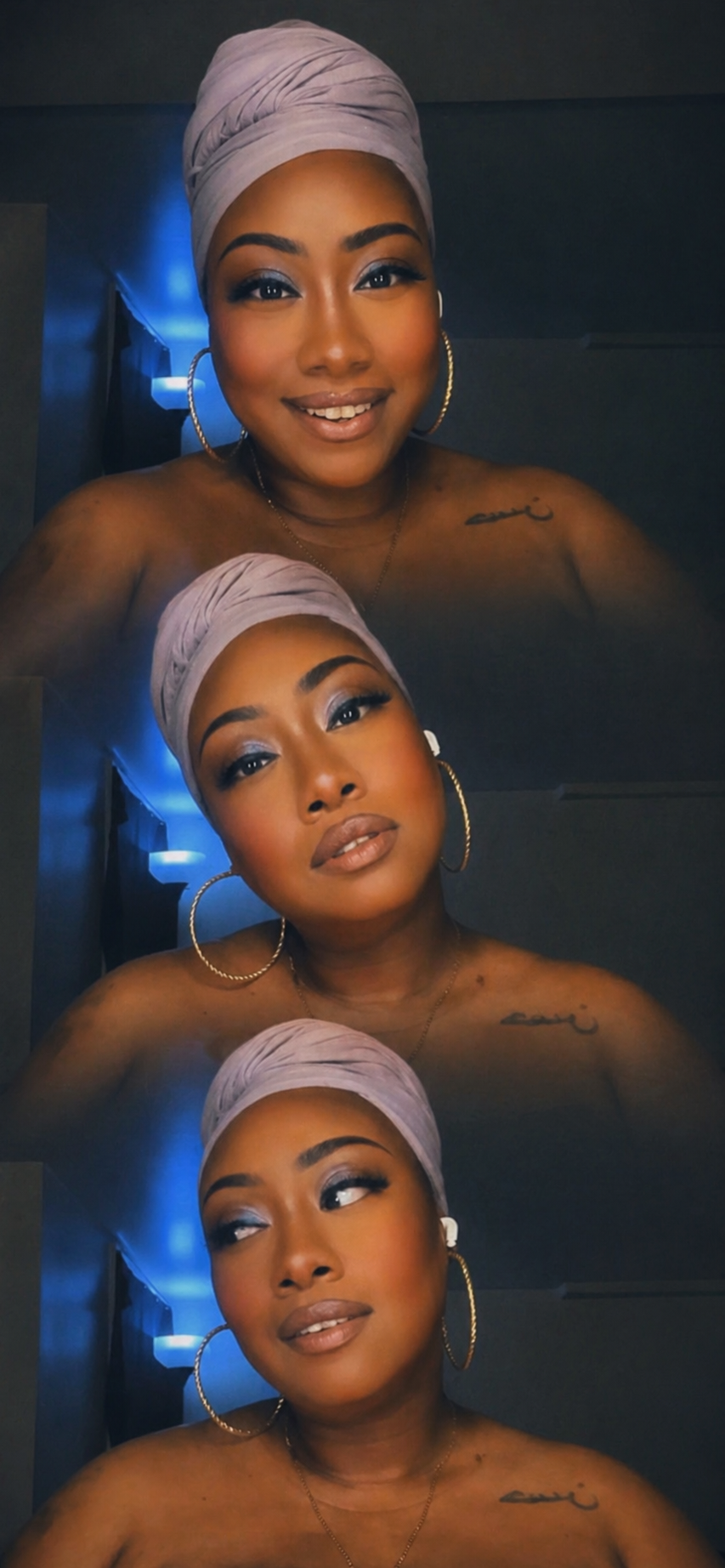
Most mornings begin with a body check. Before I answer a single message or think about what kind of work I can do, I have to ask myself what I have to work with.
Did I sleep well? How bad is the pain today? Are my hands stiff? Is my brain foggy or overstimulated? Do I have the emotional range to flirt, listen, respond, create, and be perceived?
Sex work does not begin when I log on. It begins in the quiet inventory I take before anyone else has access to me. I live with rheumatoid arthritis, chronic pain, endometriosis, and Obsessive-Compulsive Personality Disorder (OCPD), sprinkled with anxiety and depression. Every one of those conditions influence the way I work. They shape my availability, pacing, confidence, and the promises I feel comfortable making.
Digital sex work is often imagined as labor without physical consequence. My reality is the opposite. Before I respond to a message, create a piece of content, or cultivate intimacy, I have to negotiate with a body that refuses to honor my schedule. My body is the first workspace I report to every morning. It is also my business partner. I didn’t choose this business partner, but we’re learning to work together. Some days we agree. Some days we negotiate. Some days my body reminds me that it has final say. I have learned to stop treating that reality as failure. It's simply the cost of doing great business.
Disabled time: the body doesn’t care about my schedule
Unpredictability is one of the hardest parts of living with chronic illness, harder than the pain. There are mornings when I wake convinced I’ll have a productive day. My calendar is full. Messages are waiting. I’ve promised myself I’ll finally record the video, answer the email, finish the writing, maybe even fold the laundry that's been judging me from across the room. Then I stand up. My body has already made another decision. I spent years believing that I could outwork my symptoms. If I pushed hard enough, planned carefully enough, or ignored the pain long enough, I’d eventually catch up. Somewhere along the way, I confused perseverance with self-neglect. I know now that my body was never asking me to prove my commitment. It was asking me to pay attention. Digital sex work had a funny way of exposing that lesson.
People assume the work is flexible because it happens online. Sometimes it is. What they don’t see is the emotional weight of sending another message that says, “Can we reschedule?” I often hesitate before I hit send. They don’t know how much pride can be wrapped up in keeping a promise to someone you've never met in person. Every cancellation felt personal for the longest time. Every slow reply felt like I was letting someone down. The guilt wasn’t coming from my clients. Most of it was coming from me. My clients aren’t competing with my motivation. They’re sharing space with inflammation, fatigue, medical appointments, brain fog, and pain that doesn’t always announce itself politely (or at all). They’re sharing space with a body that occasionally changes the plan after I’ve already committed to it. Some days the hardest part of my job isn’t creating intimacy; it’s accepting that capacity and desire aren't always on speaking terms. That has been one of the hardest negotiations of my career.
Digital labor: the work behind the work
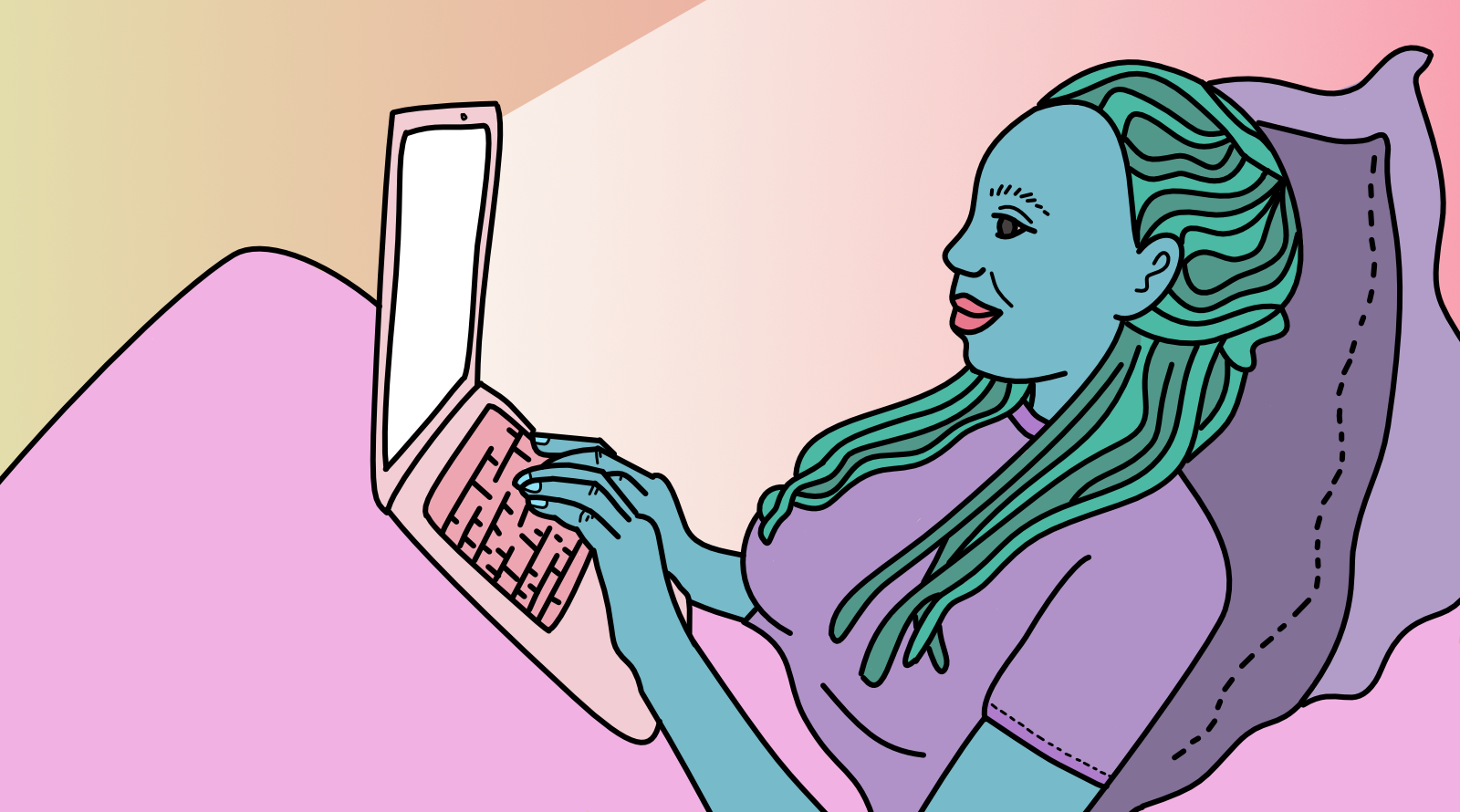
I work from home. My office is wherever I decide to open my laptop. From the outside, it looks comfortable. Some days it even looks easy. The reality asks much more of me than people realize. Digital intimacy requires presence. It asks me to remember your dog’s name, the interview you were nervous about last week, the vacation you’ve been counting down for months. It asks me to notice when your energy shifts. It asks me to know when to flirt, when to encourage, when to listen, and when to sit with someone for a while. I jokingly call it “radical customer service”. The joke usually lands. The truth underneath it is much more serious. People pay for my attention. Attention is one of the most physically expensive things I own.
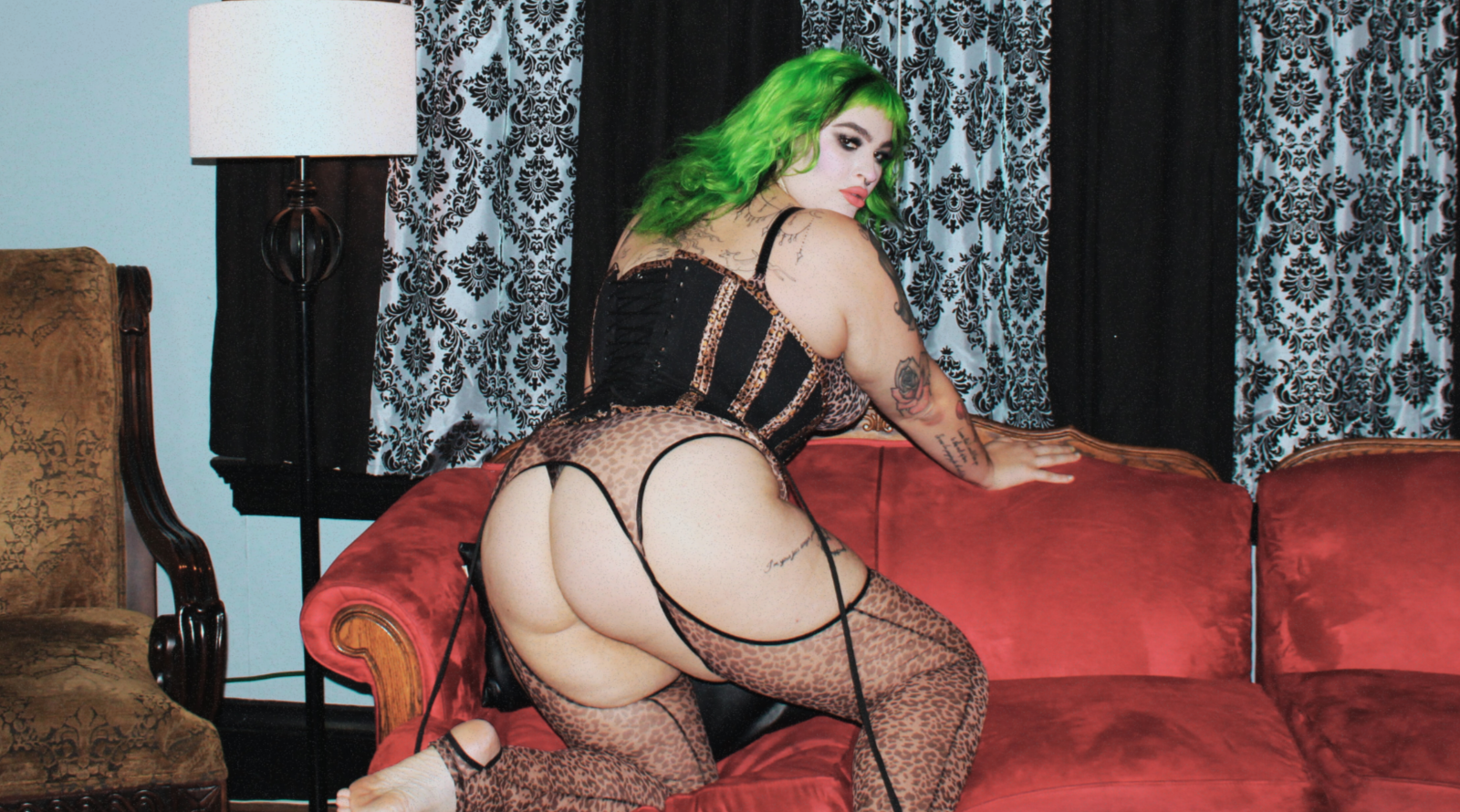
Pain has a way of competing with everything else in the room. It pulls at my concentration. It shortens my patience. It makes simple decisions feel heavier than they should. Showing up for another person anyway is work. Getting dressed. Makeup. Lighting. Setup. Camera. Recording. Resisting the perfectionist urge means NOT scrapping everything and starting over because one lash isn’t sitting the way I imagined it would. Editing, writing copy, and answering messages that deserve more than a one-word response. Every part of the process asks something of me. Some days I have it—some days I don't. Showing up differently is still showing up. One of the quietest lessons disability has taught me is that people often mistake visibility for effort. If they don’t see the work, they assume it wasn’t there. Clients see a photograph, but not the breaks it took to finish. Clients receive a thoughtful reply, but not the agony I feel as I try to find something thoughtful and flirty to say. I’ve stopped measuring my work by what other people can see.
I had to redefine professionalism
For a long time I measured myself against people whose bodies had never forced them to ration energy. I thought professionalism looked like consistency. Reply quickly. Never cancel. Always be available. Always have something to offer. I chased that version of professionalism until my body reminded me it wasn’t built with me in mind. The harder I pushed, the smaller my life became. I noticed long before I admitted it. I had less patience, creativity, and time for the people I loved. I had become incredibly good at managing everyone's expectations except for my own.
I started asking a different question: Can I afford the recovery? Recovery became a part of my operating costs. If I spent everything today, tomorrow I would arrive with an invoice. These days, professionalism looks like building a business I can return to tomorrow. Communicating honestly when I need more time goes hand in hand with my ability to recognize that reliability isn't the absence of interruptions. I’ve stopped trying to build a career around the body I wish I had. I’m building one around the body that shows up for me every day. It has made me a better business owner and much kinder to myself.
Looking “well”
People tell me I don’t look disabled all the time. Sometimes they mean it as a compliment. Sometimes they sound genuinely confused, as though they’ve discovered a contradiction I need to explain. The truth is, I’ve spent years becoming very good at “looking well.” I know how to do my makeup despite joint pain, which hairstyles put the least strain on my hands, and how to feel beautiful without putting much strain on my body. There are photographs on my phone that look effortless. I remember the heating pad just outside the frame. I remember sitting down between takes because my back needed a break. People see beauty. I see pain. Looking beautiful has never been the difficult part. Running a business from a body that changes its terms without warning has.
Tomorrow is still part of the job
Every business plans for tomorrow. Mine has to. I’ve learned that the most valuable thing I can invest in isn’t another photoshoot, another conversation, or another late night trying to catch up. It’s the body that makes all of those things possible. My body is my business. Not the product, but the foundation.
Every decision I make echoes into tomorrow. Every time I ignore pain, tomorrow I notice. Every time I choose to rest before collapse, tomorrow I notice that too. For years I thought success meant proving that disability couldn’t interrupt my work. Now I measure success differently:
Did I leave enough of myself to enjoy the rest of my day?
Can I spend time with the people I love?
Can I read a book, play a cozy game, listen to music, or simply exist without asking anything else of myself?
Those moments have become part of my business model. Tomorrow morning I’ll wake up and perform another body check. I’ll ask what we can realistically accomplish today. Some mornings my body will ask me to slow down. Either way, I’ll listen. Has my body’s business partner earned as much? Yes. We’ve spent years learning how to work together. I have a feeling we’re just getting started.
For more on the intersections between disability and sex work, see Sex Workers Don’t Get Sick Days, How Ableism Blocks Disabled People From the Traditional Job Market, and Sex Work and Disability: A Reality Check.
Are you a sex worker with a story, opinion, news, or tips to share? We'd love to hear from you!
We started the tryst.link sex worker blog to help amplify those who aren't handed the mic and bring attention to the issues ya'll care about the most. Got a tale to tell? 👇☂️✨