
Editor’s Note: non-detailed mentions of rape and violence against sex workers, victim blaming
Sex work is a very complex, undervalued, and highly scrutinized part of our society. That is why writing about sex work is not something that comes easily to me. What if I say the wrong thing? What if I further harm sex workers via my own bias? Why does my voice matter? I feel sure about choosing sex work advocacy, but the fear of furthering harm scares the shit out of me. So I read each and every comment on my articles. Just in case.
During one particular scroll through, a comment stuck out to me. It wasn’t great—some nonsense about all sex work being “paid rape” and the “need for the Nordic model”, but it got me thinking. I’ve met sex workers who use words like “paid rape” and “paid consent” before, and the want for the Nordic model is not an uncommon sentiment. While workers who use this type of language are often referring to their own feelings and experiences with sex work, and don’t intend harm, sex work is inherently a political act, and the “paid rape”/“paid consent” rhetoric is deeply, deeply dangerous.
Consent is a spectrum, and no one knows that spectrum better than a sex worker. We negotiate boundaries, services, prices. We understand that consent is not negated by money, nor guaranteed by it; that a yes can apply only under specific circumstances, to specific acts, at specific times.
Consent is a spectrum, and no one knows that spectrum better than a sex worker.
And there are times when “yes” is enthusiastic, or a form of survival, or the safest choice you can make in that moment. It is a nuanced situation, and I understand, to an extent, why that viewpoint exists. But to frame sex work as “paid rape” is to say that rape is something that can be chosen, bought, or redefined based on discomfort rather than the presence or absence of consent. If sex work is rape by definition, then actual rape against a sex worker is justified and expected. If sex work is rape, then violence is something to be expected and just “part of the trade.”
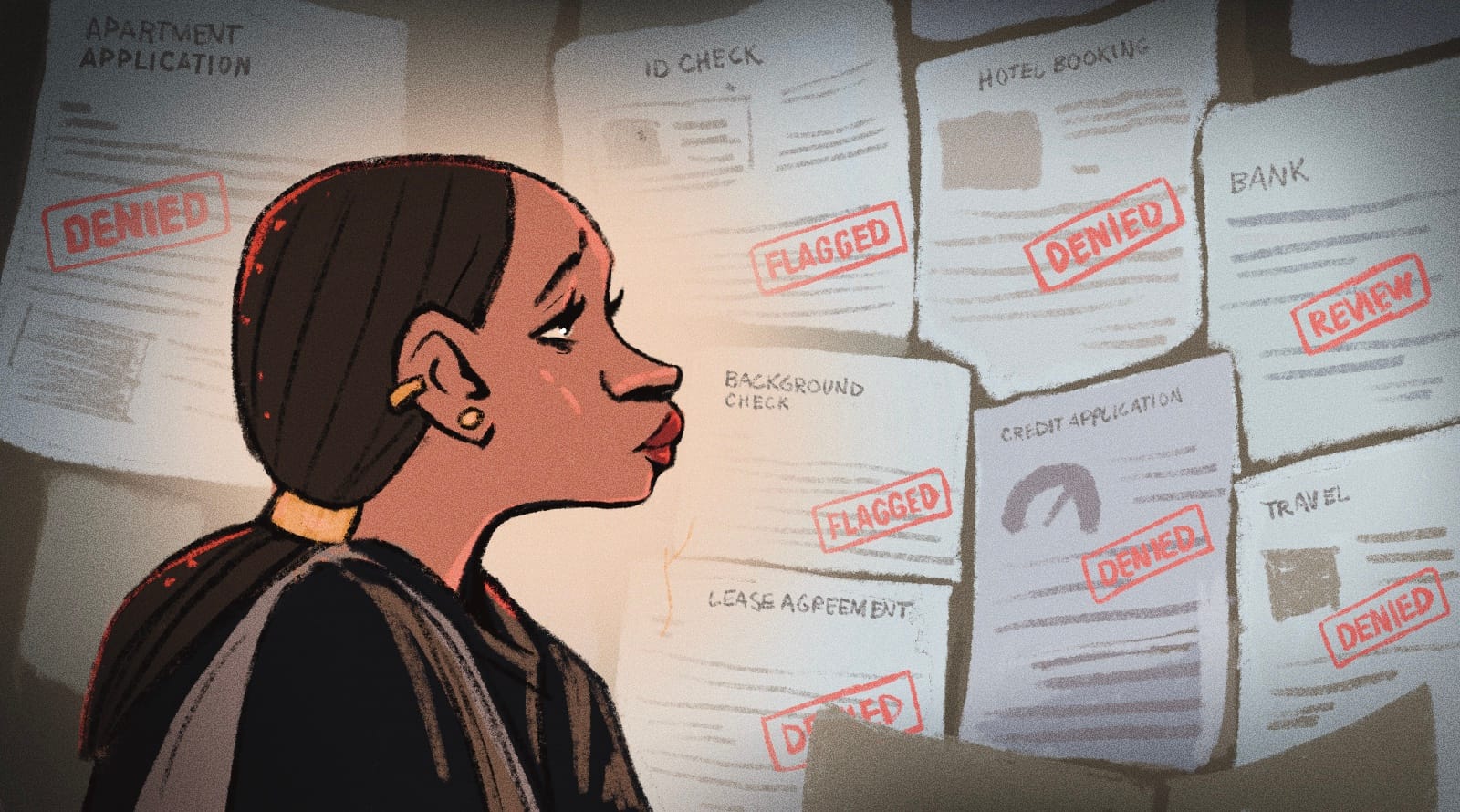
This definition blames not only sex workers, but trafficking victims as well. It creates a deeply misogynistic and whorephobic viewpoint that anyone who speaks confidently or proudly about sex work must be “in on it”—a pimp—and everyone else is just a “helpless victim”. It makes sex workers out to be either delusional victims or active collaborators in their own exploitation. And violence against sex workers becomes reframed as a sad but inevitable part of a “bad choice”.
There are times when “yes” is enthusiastic, or a form of survival, or the safest choice you can make in that moment.
This type of language is where the Nordic model comes in. Rather than investing in housing, healthcare, labor rights, harm reduction, etc, the government invests in policing, surveillance, and rescue operations that more often do more harm than not. Workers are arrested “for their own protection”, deported to “save them”, or stripped of their income “for morality’s sake”. The Nordic model is supposed to be a “compromise” of sorts, decriminalizing the sale of sex work, but criminalizing the actual buying of sex. Many, many people view this as a “progressive” solution to the “issue” of sex work. But in reality, it’s just some more bullshit that further harms sex work and puts you at the mercy of your client. It forces workers underground, makes it even harder to screen johns, and furthers mistrust of the police. It upholds the ideas that sex work is exploitive, and that adult sex workers cannot possibly make voluntary decisions about their body or what to do with it. Because obviously sex workers can’t possibly have bodily autonomy. The Nordic model is truly just repackaged moralist bullshit built to govern and control sex work.
Language is everything. And that kind of language is not liberating, that system is not liberating—it further represses and harms sex workers. Sex work is a form of labor just like any other, and it has room for exploitation just like any other. Just because someone is paying you for your labor, does not mean they can do whatever they want. You have to consent, you need agency over how you spend your time, when you work, how you work—all the basic expectations and actions of holding a job apply to sex work.
Referring to the concept of “paid rape” just reinforces that sex work is not work, and that sex workers deserve abuse. What else did you possibly think was going to happen?
For more articles that examine consent, see Paternalism, Prostitution, and Paying for It on the Left and What Do Kink Providers Mean By RACK?
Are you a sex worker with a story, opinion, news, or tips to share? We'd love to hear from you!
We started the tryst.link sex worker blog to help amplify those who aren't handed the mic and bring attention to the issues ya'll care about the most. Got a tale to tell? 👇☂️✨