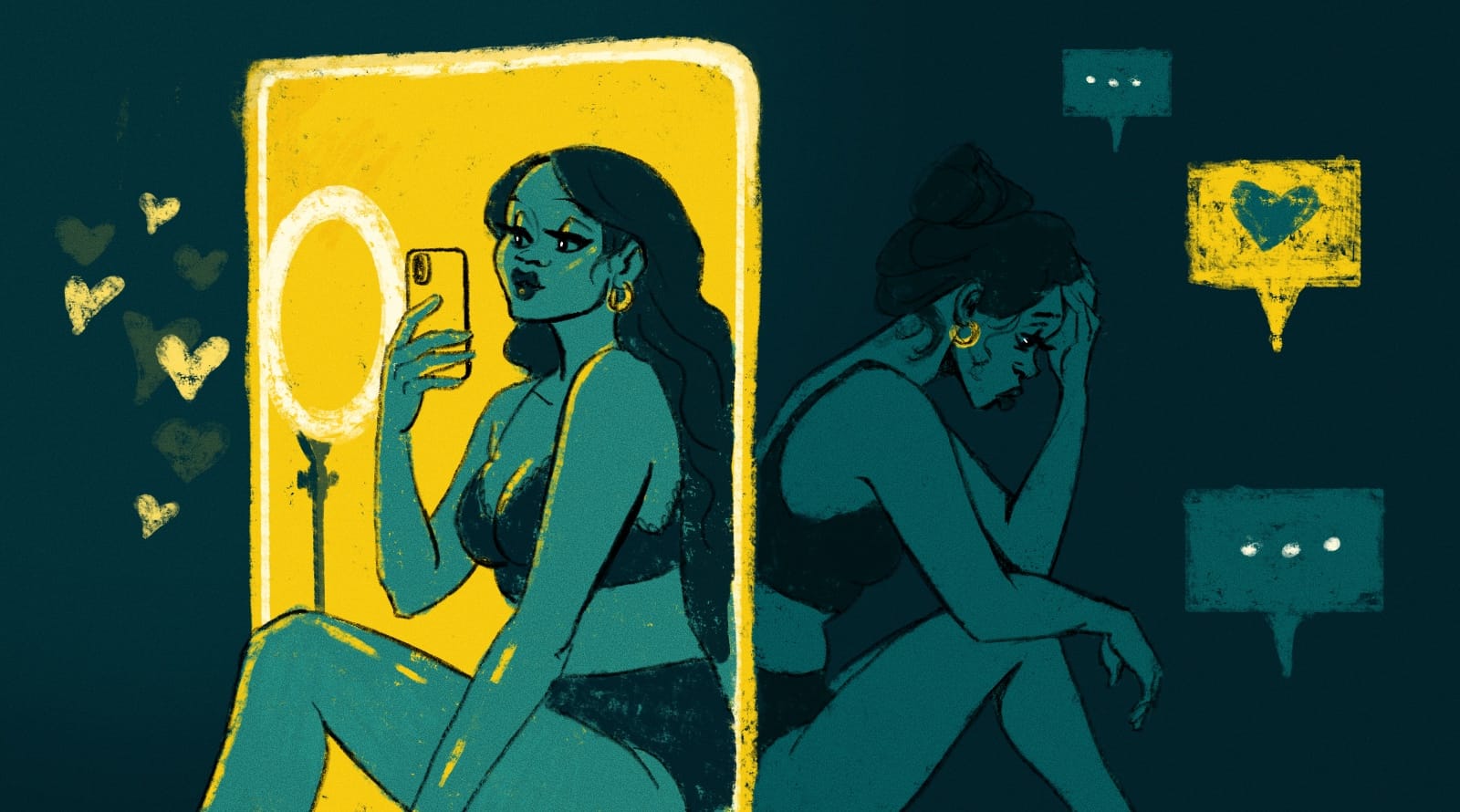
OnlyFans has redefined sex work and the ways in which it operates. By letting performers set their own rates, create on their own terms, and connect directly with audiences, it has given many the opportunity to bypass exploitative websites, pimps, and studios. For some, it has meant safer working conditions, financial independence, and creative freedom.
Yet, as it operates in the orbit of Instagram-era aesthetics, online sex work often comes packaged in a curated, high-gloss image that mirrors influencer culture. Sex work is part erotic performance, part lifestyle marketing, and subsequently it thrives within this environment. The same forces that help it spread also shape who gets seen, how empowerment is defined, and what risks are obscured from view. For those who enjoy building this aesthetic, it can be an empowering creative outlet.
It can also paint an incomplete picture—one where the labor, safety planning, and the emotional toll of sex work remain hidden behind the sheen of glamour.
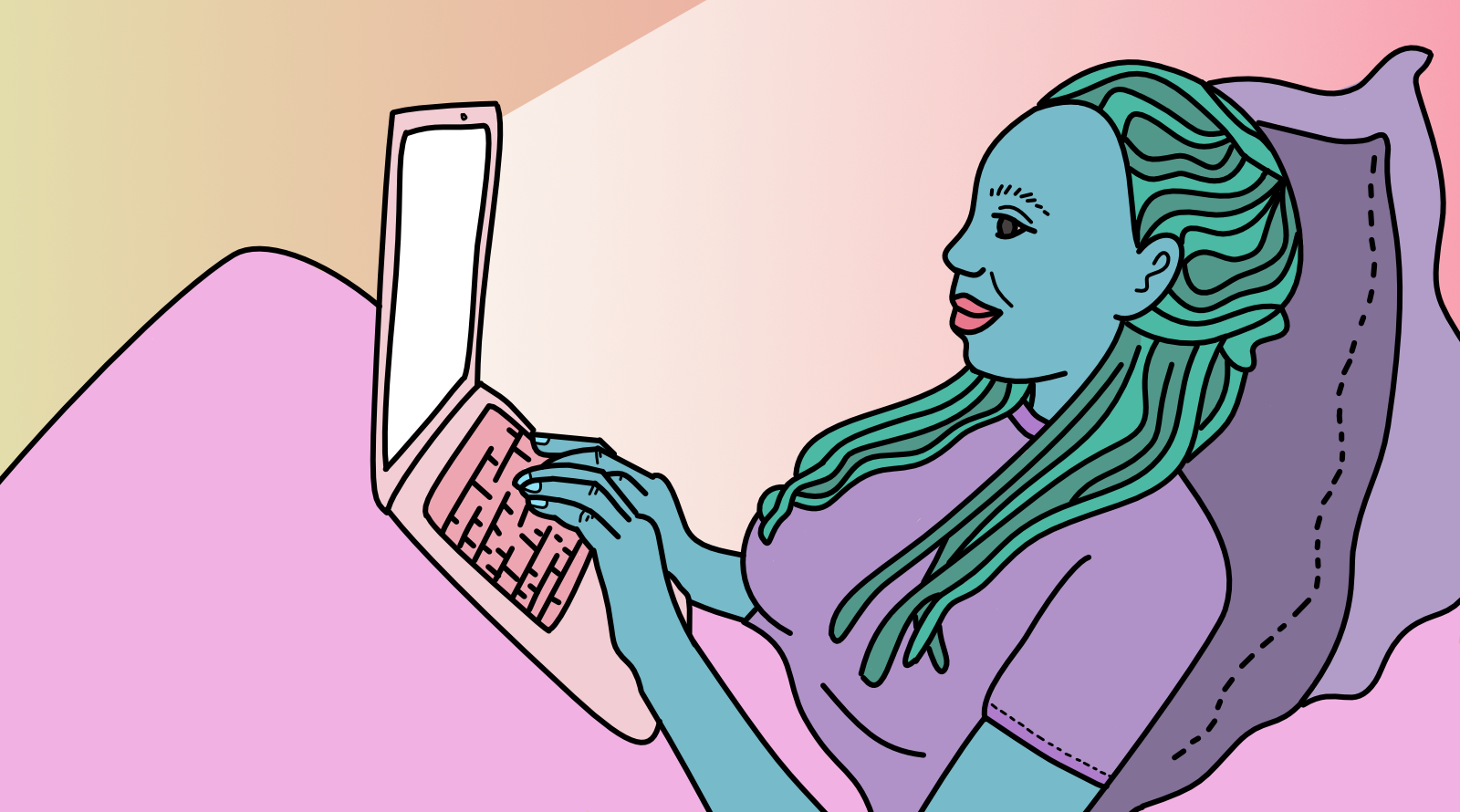
This curated vision has a magnetic pull for young people online. During the pandemic, the ease of setting up an account, combined with viral TikToks about quick earnings, led many to believe OnlyFans could be a low-effort, high-reward income stream.
OnlyFans has redefined sex work and the ways in which it operates.
What social media rarely communicates is the reality: successful online sex work often demands daily posting, hours of editing, active subscriber management, and constant marketing. It also requires knowledge of safety protocols—identity protection, content watermarking, data encryption, and an understanding of the risks of doxxing or stalking—which many newcomers are not equipped with when they start.
Part of the reason I even started doing sex work outreach is due to a friend who created an OnlyFans because they saw it as a form of sex work that was “actually safe” because it “wasn’t really on the internet” and was convinced that the paywall would keep their photos from being leaked. After further conversation, I also found out they were not only using their real address for gifts, they had no idea how to screen johns or of any real safety precautions.
This is not an uncommon experience. Without preparation, many new sex workers find themselves exposed to harassment, revenge porn, or financial instability they didn’t anticipate. Subscribers increasingly want not just content but connection: ‘behind-the-scenes’ moments, personal updates, and parasocial intimacy.
Many sex workers are adept at crafting this—skillfully balancing openness with boundaries. Yet for newcomers influenced by social media’s romanticized version, this expectation can blur the lines between work and personal life in dangerous ways. Oversharing without safety planning can compromise anonymity or open the door to unwanted contact outside the platform. For those without mentorship or community guidance, learning these lessons can come through painful experience rather than with preparation.
Without preparation, many new sex workers find themselves exposed to harassment, revenge porn, or financial instability they didn’t anticipate.
The rhetoric of empowerment on social media also tends to align with narrow beauty norms. What I can best describe as “hot-girl branding” is often built around Eurocentric beauty ideals: light skin, slim yet curvy bodies, conventionally symmetrical features, youthfulness, able-bodiedness, and expensive aesthetics.
While these traits are not prerequisites for success, the algorithmic structure of social media rewards them, making it harder for others to gain visibility without conforming. This can create a double bind: sex work is framed as liberatory self-expression, yet the most ‘empowered’ images that circulate widely often reinforce the same harmful hierarchies of desirability that feminism seeks to dismantle. This phenomenon shouldn’t be about blaming workers who embody or choose to present in this way. It's about understanding how platforms and audiences reward certain looks, and how empowerment gets coded as looking like a marketable fantasy.
Many creators subvert this by embracing alternative aesthetics, showing unedited bodies, or foregrounding marginalized identities, but they often do so at the cost of slower growth or reduced income.
The reality is that this platformization of sex work encourages individual hustle over collective protection. Social media celebrates the lone, glamorous success story while downplaying the need for shared strategies, pooled resources for legal defense, coordinated advocacy for decriminalization, or mutual aid to help workers weather income instability.
Social media celebrates the lone, glamorous success story while downplaying the need for shared strategies...
When the liberation narrative is packaged as a personal brand, the harder truths of the work: burnout, censorship, payment processor crackdowns, and content theft are sidelined in favor of aspirational imagery.
It’s not that I want to erase the glamour. It can be a legitimate and joyful part of the job for those who choose it, but we need to pair it with visibility of the full spectrum of sex work experiences.
Empowerment cannot be defined solely by how well someone matches Instagram’s beauty metrics. It must include the ability to define one’s own aesthetic, to work without harassment, to earn fairly regardless of body type or background, and to make informed decisions with clear knowledge of risks and protections.
Social media will always lean toward the glamorous version of the story. But the more space we make for the whole picture, the more liberation becomes not just a brand, but a tangible condition of the work itself.
Are you a sex worker with a story, opinion, news, or tips to share? We'd love to hear from you!
We started the tryst.link sex worker blog to help amplify those who aren't handed the mic and bring attention to the issues ya'll care about the most. Got a tale to tell? 👇☂️✨



)
