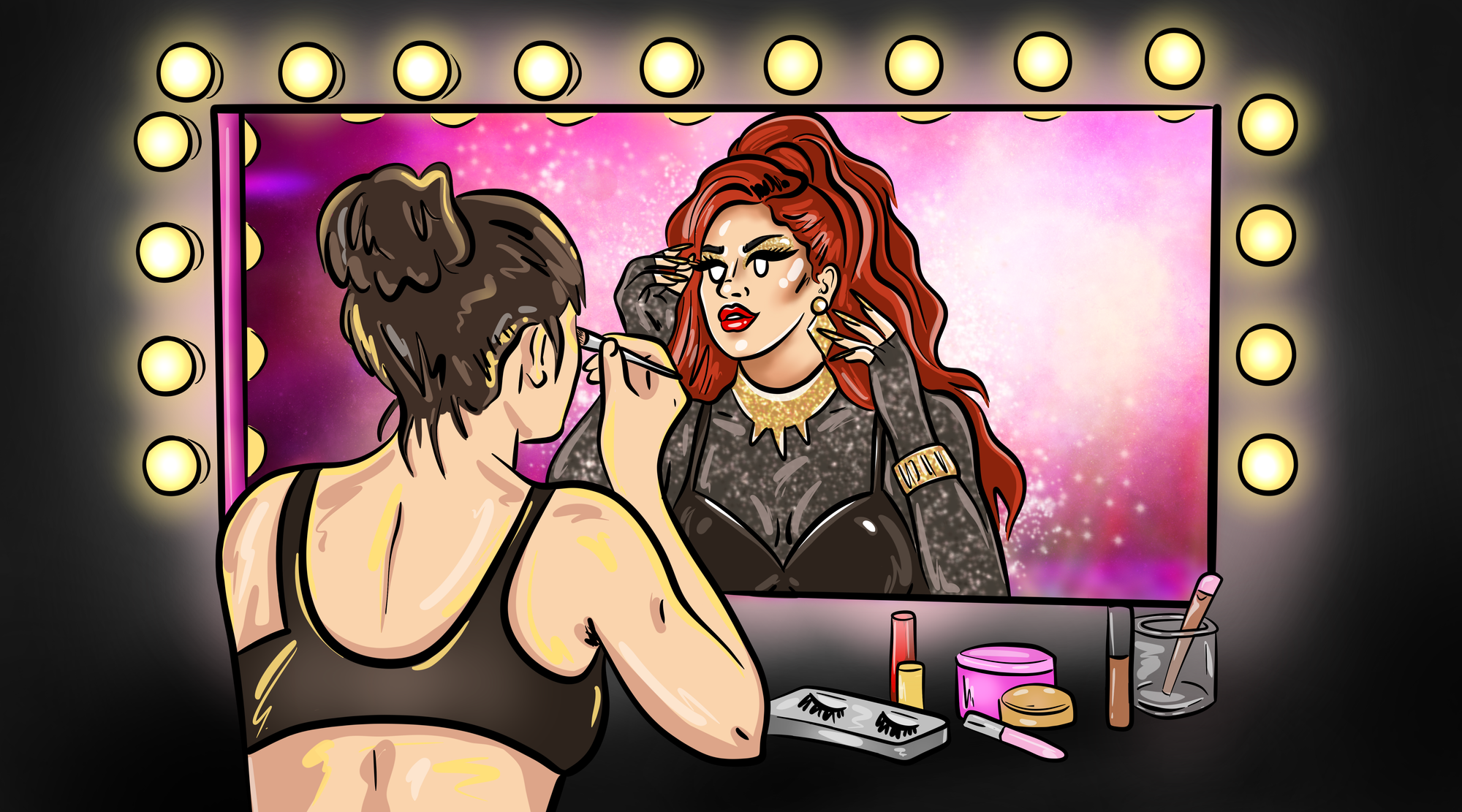
I’m applying fake lashes under the warm glow of the changing room lights. The music from the club is blasting through the doors, both overstimulating and fuelling my hype. I slip into my pleaser heels, knowing any second I will be called on stage to perform hyperfemininity to a room full of drunk patrons. I am surrounded by gorgeous humans who are also playing dress up. Am I describing the backstage of a strip club or a drag show? It’s both. RuPaul said, “We’re all born naked and the rest is drag.” But for some of us, being naked is a part of our drag. My name is Vixen Temple, and my experiences as a stripper played a massive part in my drag queen awakening.
While studying for my Bachelor of Arts, I took a class called ‘Gender, Sexualities, and Selves’. This was the first time I had been introduced to the idea that gender was a social construct. How one expresses their gender is unique to each person but can be shaped and influenced by societal and cultural ideologies. Patriarchy and white supremacy say that masculinity is strong, assertive and dominant, while femininity is soft, passive and submissive. Being an assertive and headstrong woman, I never resonated with these notions of womanhood. My femininity was power. It was an energy that I felt I could switch on and off on demand. It was a spiritual manifestation as much as it was physical.
For some of us, being naked is a part of our drag.
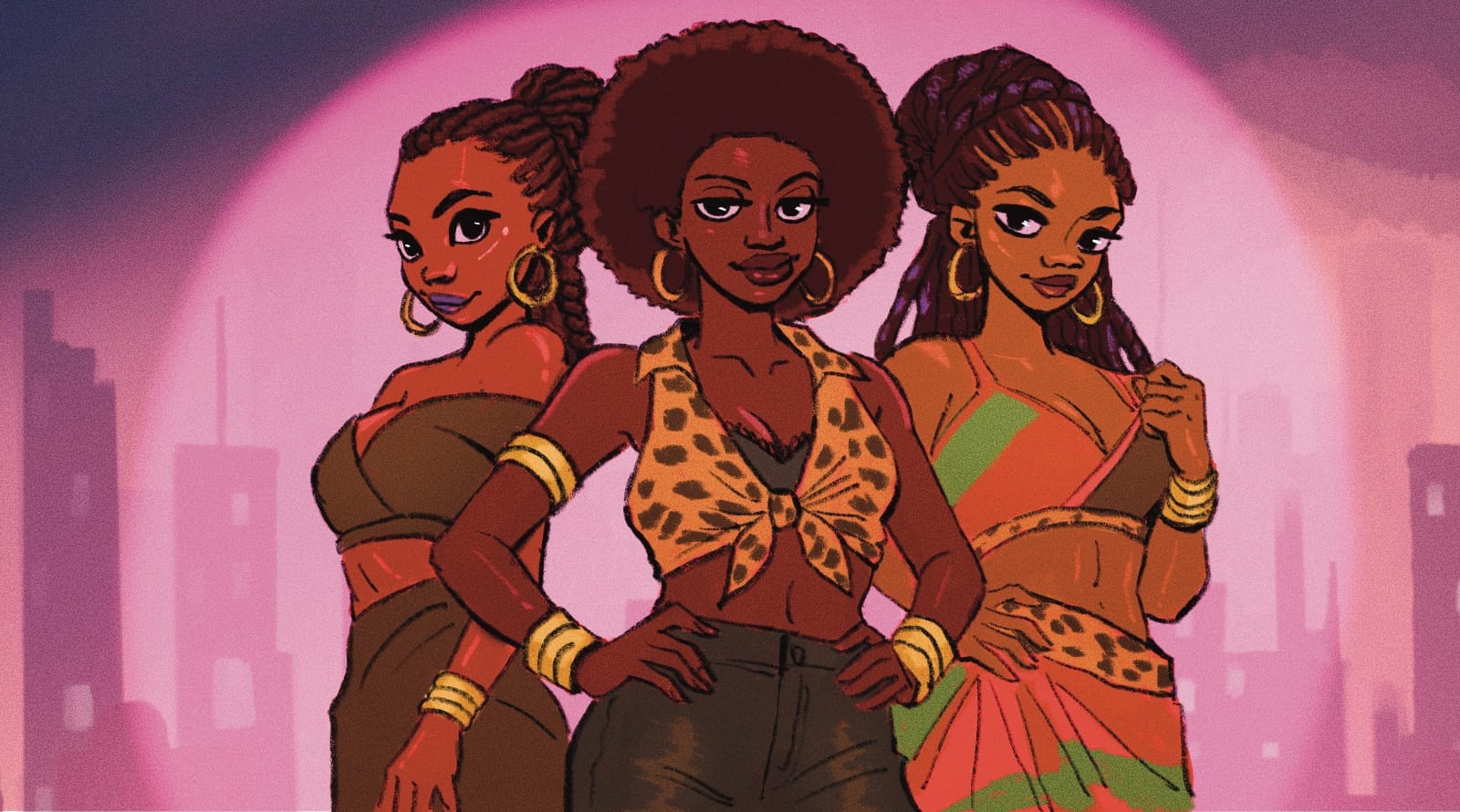
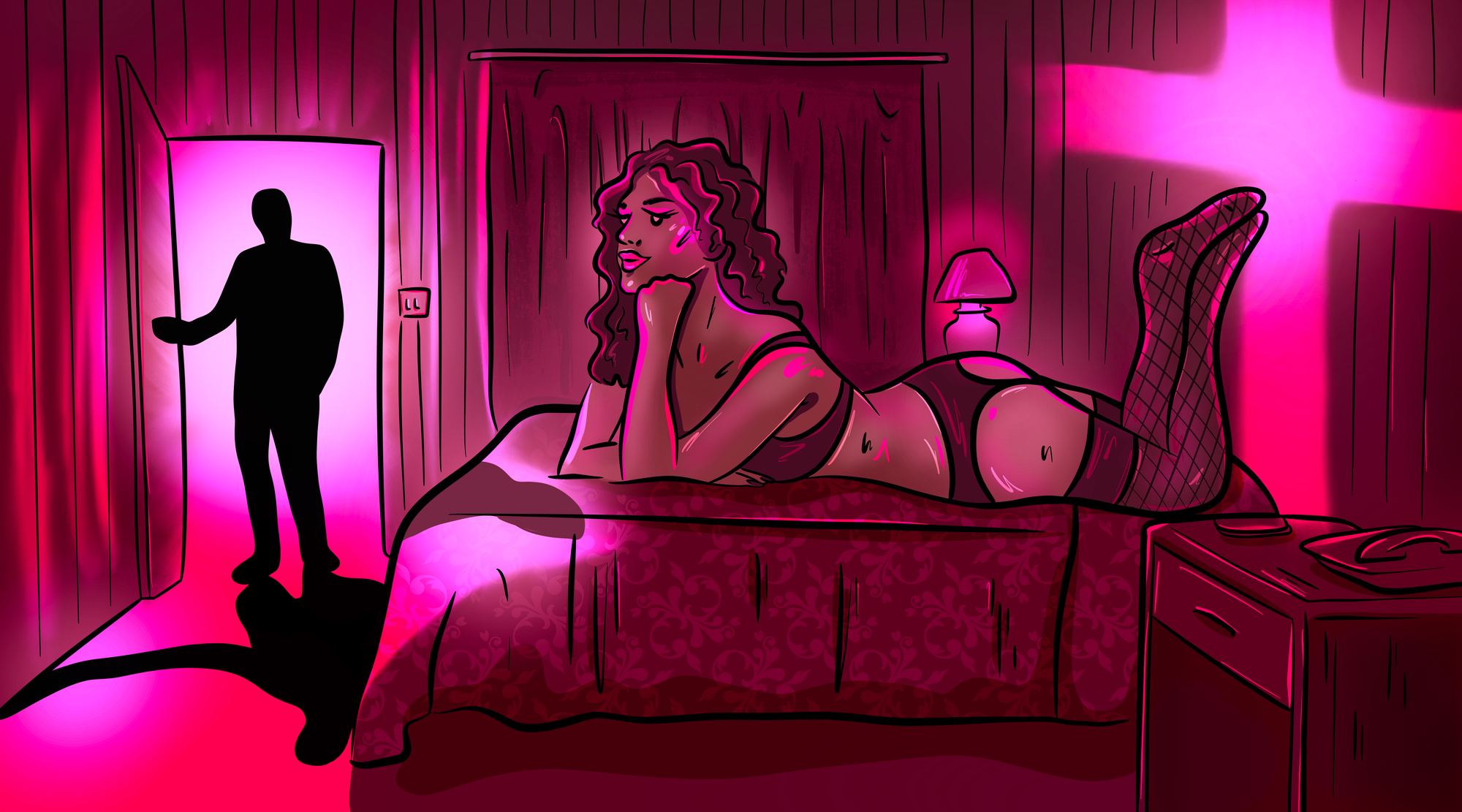
In 2019 when I started working as a stripper, the idea of gender as performance was played out before my eyes. I saw the difference between how my fellow strippers held themselves in the club versus in the changing rooms. Both versions were authentic, one was just more exaggerated. It became even more apparent that gender was performance when I met and befriended strippers who were non binary or gender fluid. I would see them shift into ‘girl mode’ in a similar way to how I would. I am a cis woman, but even I was performing femininity in the strip club. We all understood that our male clients were seeking the company of women, and we all knew–despite how we identified outside of the club–how to play the part. We didn’t wake up looking like this, there was an entire process that went into ensuring we were ready to perform. We were essentially getting into drag, playing up our more ‘feminine traits’ through our choice of hair, makeup, lingerie, and acrylic nails.
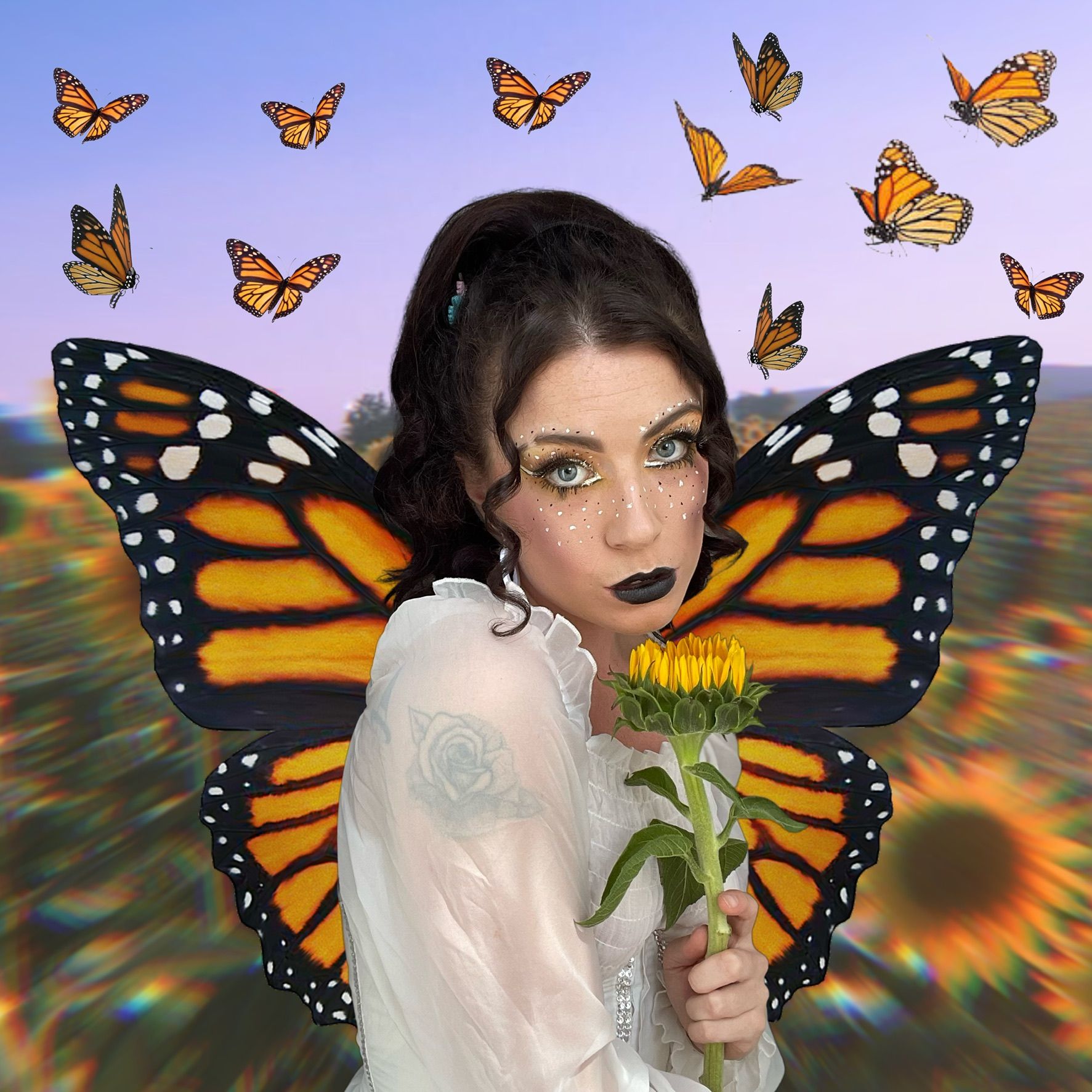
A few months into stripping, I began pursuing a career in drag. When curating my drag persona, I knew I wanted to pull attention to my femininity the same way I did as a stripper, but without the restriction of the male gaze. In the club, I curated a persona that would appeal to men. In the drag world, I could explore my femininity through my queerness. For me, my femininity has always been about power. That power was helpful in the strip clubs, but I was always making sure it was palatable for men so as to not lose potential bookings. When I was booked for drag shows, I already knew I was getting paid. There was no voice in the back of my head saying “tone it down, don’t scare them off.” I was free to embody the full power of my feminine expression. It manifested as a gothic sex witch who channeled the essence of Lilith. I was discovering new ways of stepping into my feminine power that had been sparked in the strip club, but could be fully realized at a drag show. The way I perform on stage, both as a stripper and a drag queen, are authentic to me, but it is also quite literally a performance. It is the most vivacious aspects of my femininity that I wouldn’t embody while going to the supermarket, but is fun to lean into when I perform.
In the club, I curated a persona that would appeal to men. In the drag world, I could explore my femininity through my queerness.
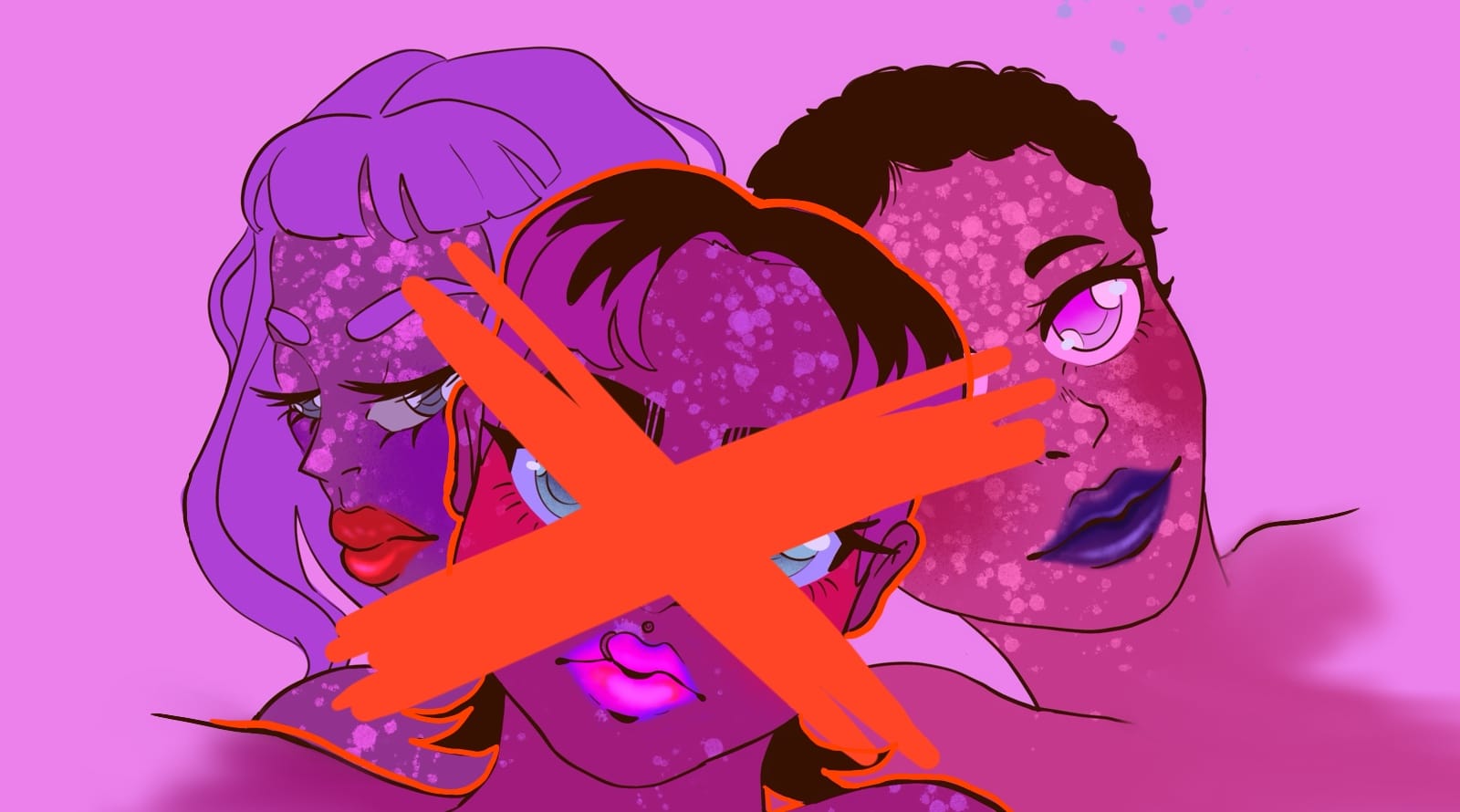
Being a cis woman who performs as a drag queen, I have been met with ignorance from people with a surface level understanding of drag. I have been accused of "appropriating gay male culture”, which to me speaks to the RuPaulification of drag. Mainstream consumers of drag typically associate it with men dressing up as women, completely erasing the queer history of drag as an expressive art form that anyone can partake in. I belong in the drag world as a queer woman who is attracted to people’s souls, not genitals. I also believe that being a sex worker is a key aspect of my queerness. There is nothing straight or hetero about me, yet I am still accused of "infiltrating queer spaces” by being a woman who is a drag queen. I am exhausted by this ignorance, but as a stripper I am no stranger to my chosen lifestyle being misunderstood and judged.
Strippers and drag queens have many similarities: we both perform for tips, we both exaggerate femininity, and we are both vilified by patriarchy. Many people see me as a threat to the patriarchal, two-gender, heteronormative binary due to my stripping and drag careers. Both my stripping and drag career challenge patriarchal notions of womanhood, going against the idea that women must deny their sexual essence in order to be a ‘good woman’, and that a woman’s only role is to be a subordinate wife and mother. I reject these restrictive notions of gender, instead choosing to curate my own idea of what being a woman means to me.
I am a stripper and a drag queen, and because of this I am a ‘bad woman’ through the eyes of patriarchy. I wear that as a badge of honour.
For other perspectives on drag and sex work, see the articles Cis for Pay by Salem Serene, and Being A Woman For Money by Neptune Henriksen.
Are you a sex worker with a story, opinion, news, or tips to share? We'd love to hear from you!
We started the tryst.link sex worker blog to help amplify those who aren't handed the mic and bring attention to the issues ya'll care about the most. Got a tale to tell? 👇☂️✨